Your historical atlas shows details that I have never encountered anywhere else. I first discovered your maps through a viral video on youtube, and I was appalled to learn later that the video was published without attribution and violating your copyright. I hope you at least got some visitors to your site out of that. It's an astounding accomplishment and obviously a huge amount of research and artistry went into its creation.
Can you email me and let me know if you have any deals for students? I would love to be able to assign this to my students in my European History survey class this summer. Thanks, Phillip Perry, Ottawa.
What is Centennia?
The Centennia Historical Atlas is a map-based guide to the history of Europe and the Middle East from the beginning of the 11th century through the early 21st century. It is a dynamic, animated historical atlas including over 9,000 border changes. The map controls evolve the map forward or backward in time bringing the static map to life.
Our maps display every major war and territorial conflict displaying the status of each region at intervals of a tenth of a year. The maps reflect actual "power on the ground" rather than internationally-sanctioned or "recognized" borders.
Centennia is primarily targeted at students and scholars in secondary school (high school) and at the undergraduate college level who are looking for a broad overview of European and Mediterranean/Mideast History. It's ideal for homeschool students. Researchers in history and political science also benefit from Centennia's broad and detailed coverage of events.
Unlike many other historical atlases, ours provides a perspective that is relatively uniform across time and cultures. While there is no possible purely objective viewpoint in world history, even in theory, we apply the same standards of sovereignty and border definition in the Balkans in the 15th century that we use in modern North Africa in the 20th century or medieval France in the 12th century.
For serious research, complete access to our database in GIS format is now available through the Centennia Research Edition (CRE).

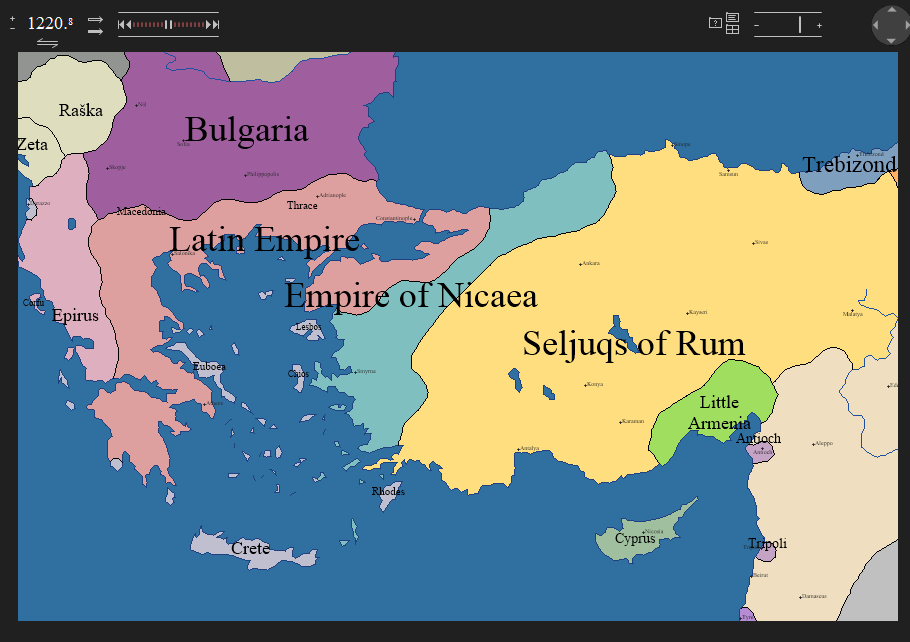
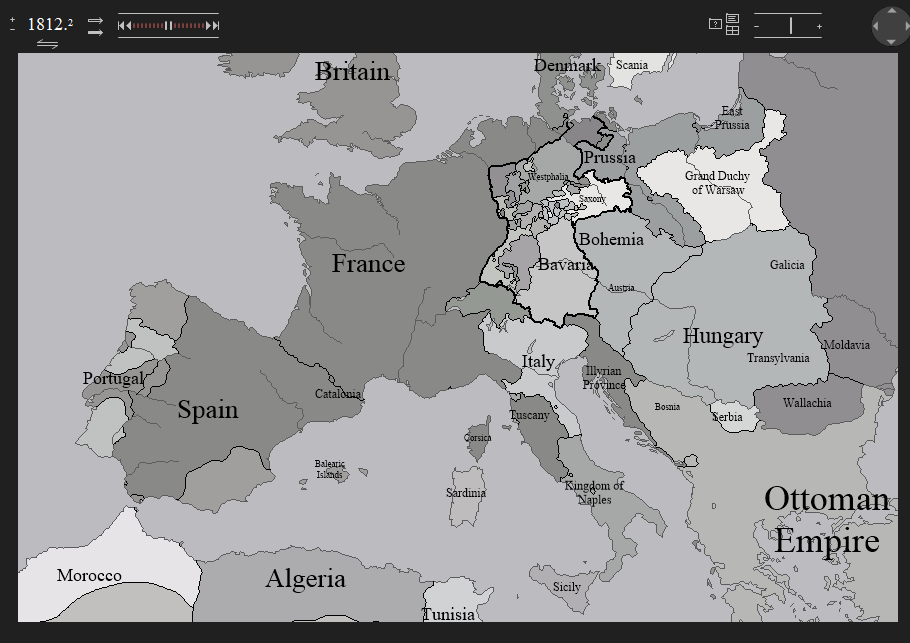
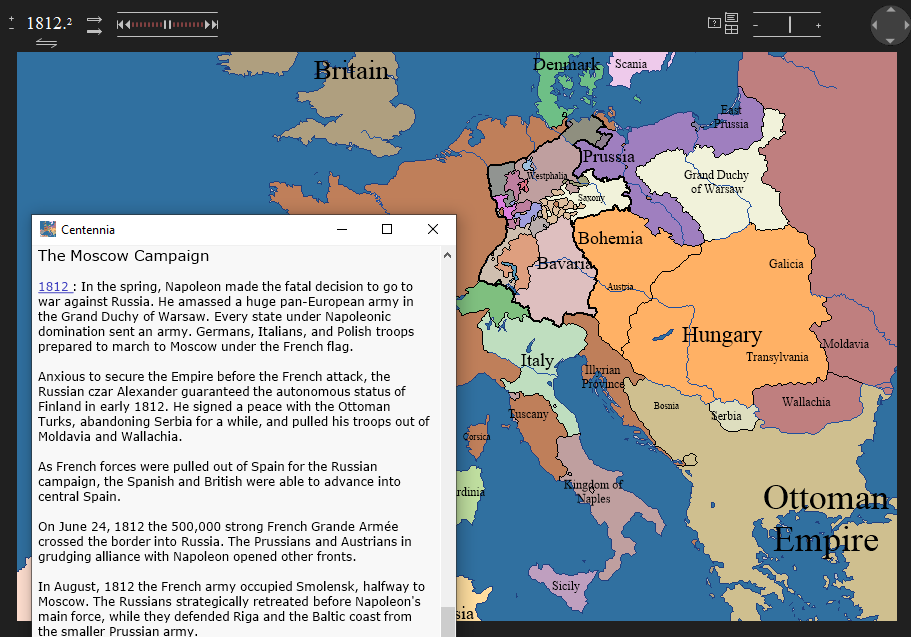
Centennia covers the history of Europe and the Middle East across ten centuries. Empires and nations rise and fall... Collections of small principalities and duchies in central Europe evolve to become the nations we know today. The FREE version of the Centennia Historical Atlas -- Centennia Nations Edition specifically covers the rise of modern nation-states including, including the unificaton of Italy and Germany, and the eventual catastrophic wars that the nation-state system contributed to in the 20th century.
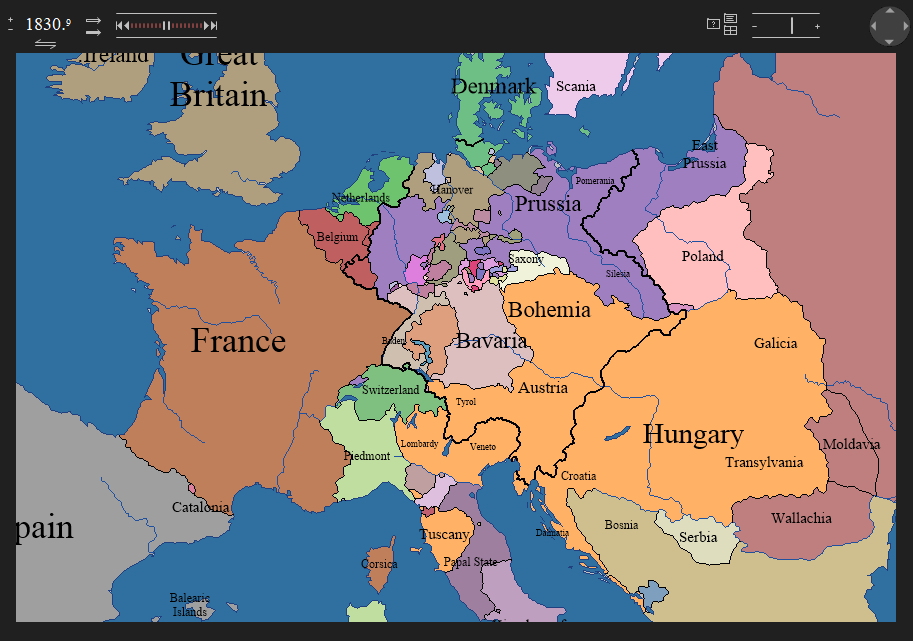
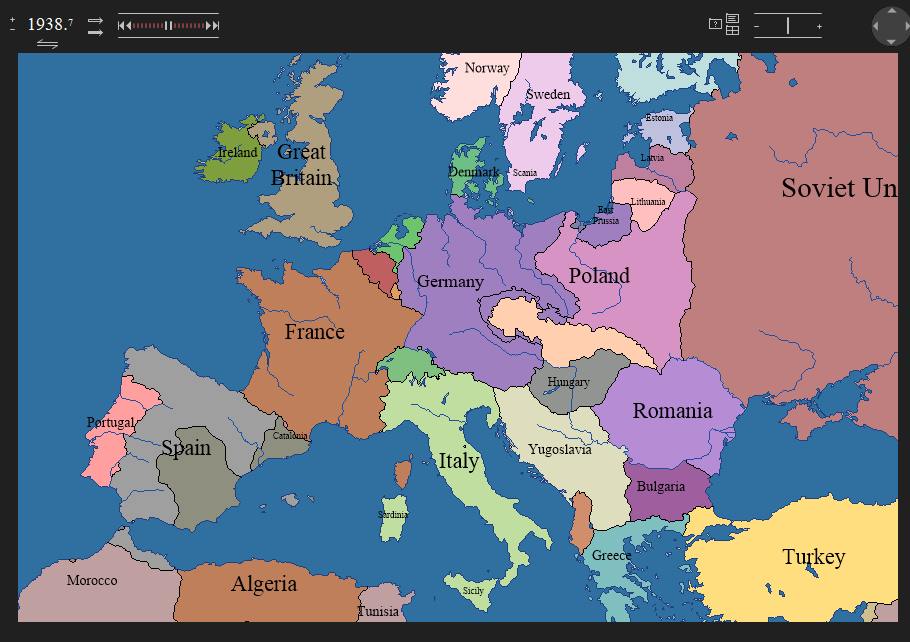
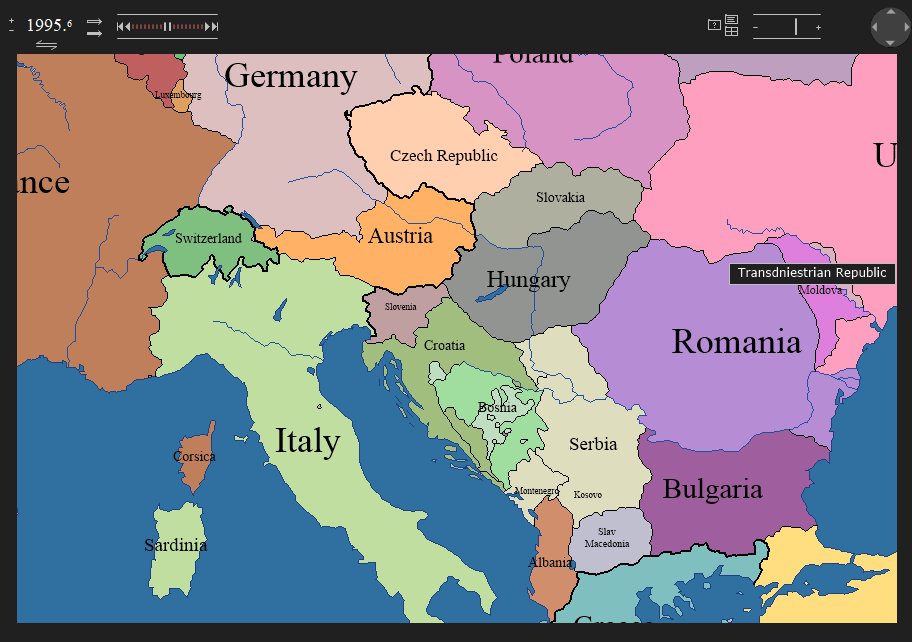
Centennnia is available in German and Greek translations, both now fully translated.
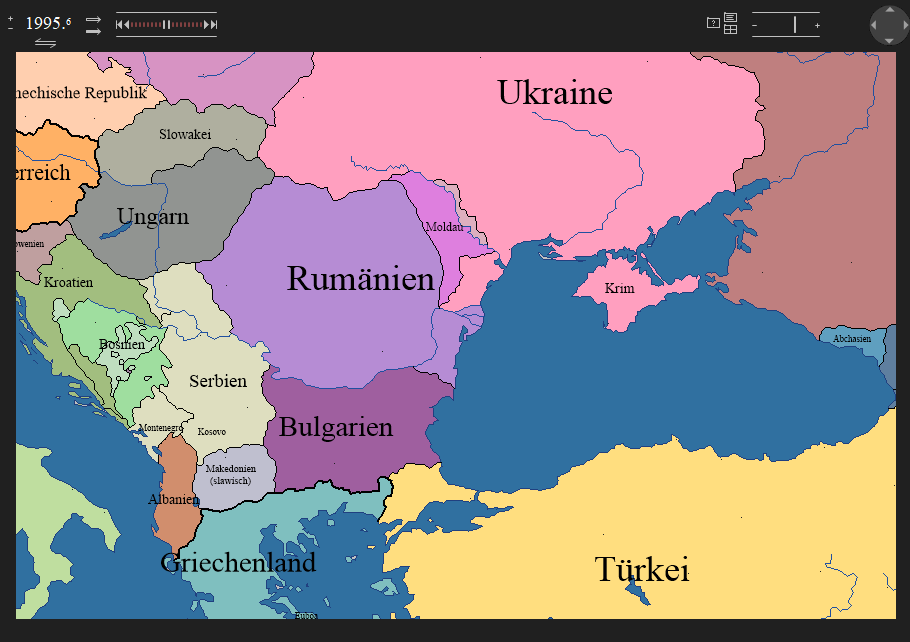
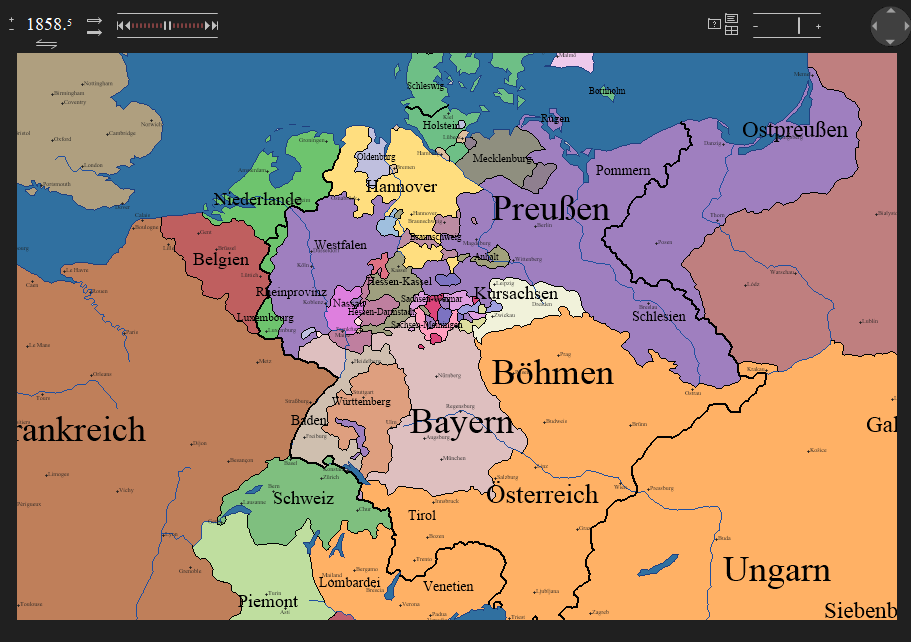
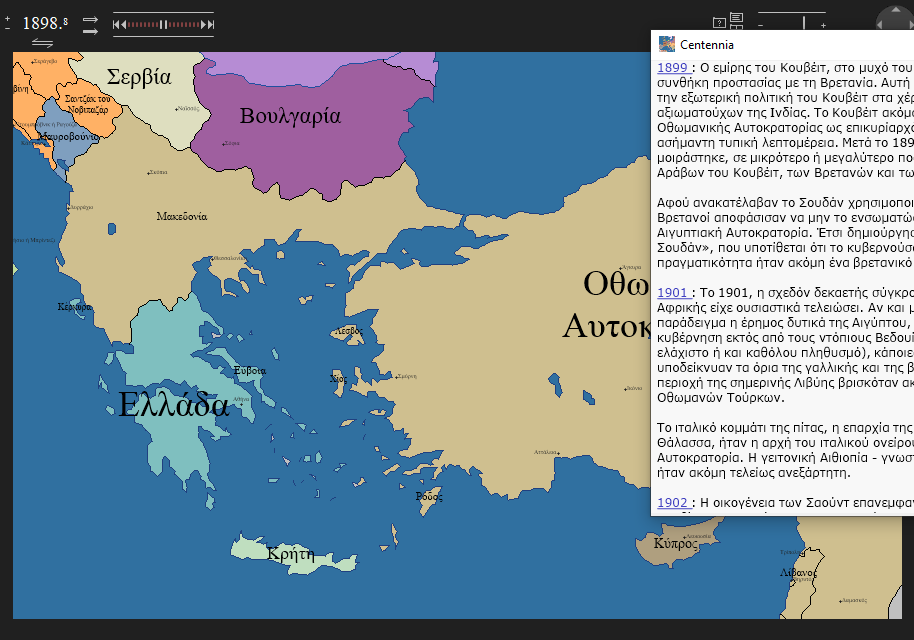
The Centennia Atlas originated as a small project known as Millennium, marketed by Clockwork Software in Chicago, Illinois. Centennia, the former Millennium, was created and developed by Frank Reed. Clockwork Mapping is the legal successor to Clockwork Software.
All copyright and other rights are owned by Clockwork Mapping, solely-owned by Frank Reed. Please note that any videos or other media created with our atlas without explicit permission violate our copyright.
Comments:
Phil Perry wrote: 27👍
Hi, Phil. Absolutely -- we do have discount pricing arrangements for students in classes, assuming you would be ordering ten licenses or more. We also have licenses for history departments and small computer labs/libraries. I'll email you.
Frank Reed
Owner/Head Cartographer
Clockwork Mapping
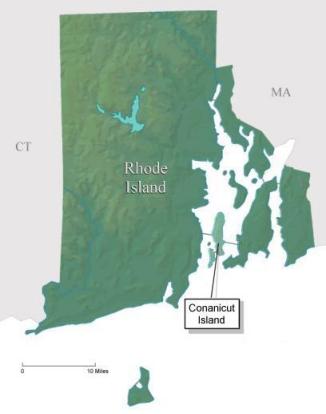
Conanicut Island USA
Frank Reed
Owner/Head Cartographer
Clockwork Mapping
Conanicut Island USA
Shirley Bernadotti wrote: 4👍
More info on the research edition for the MAC. Must have.
Alex Karalekis wrote: 11👍
I have been using this teaching my Modern European History class with great success. It always draws a little crowd when the map is left in free animation on a big screen!
A. Karalekis
San Diego, California
A. Karalekis
San Diego, California